Autonomous systems are increasingly central to modern society, deeply embedded in critical infrastructure,
human-facing services, and scientific progress.
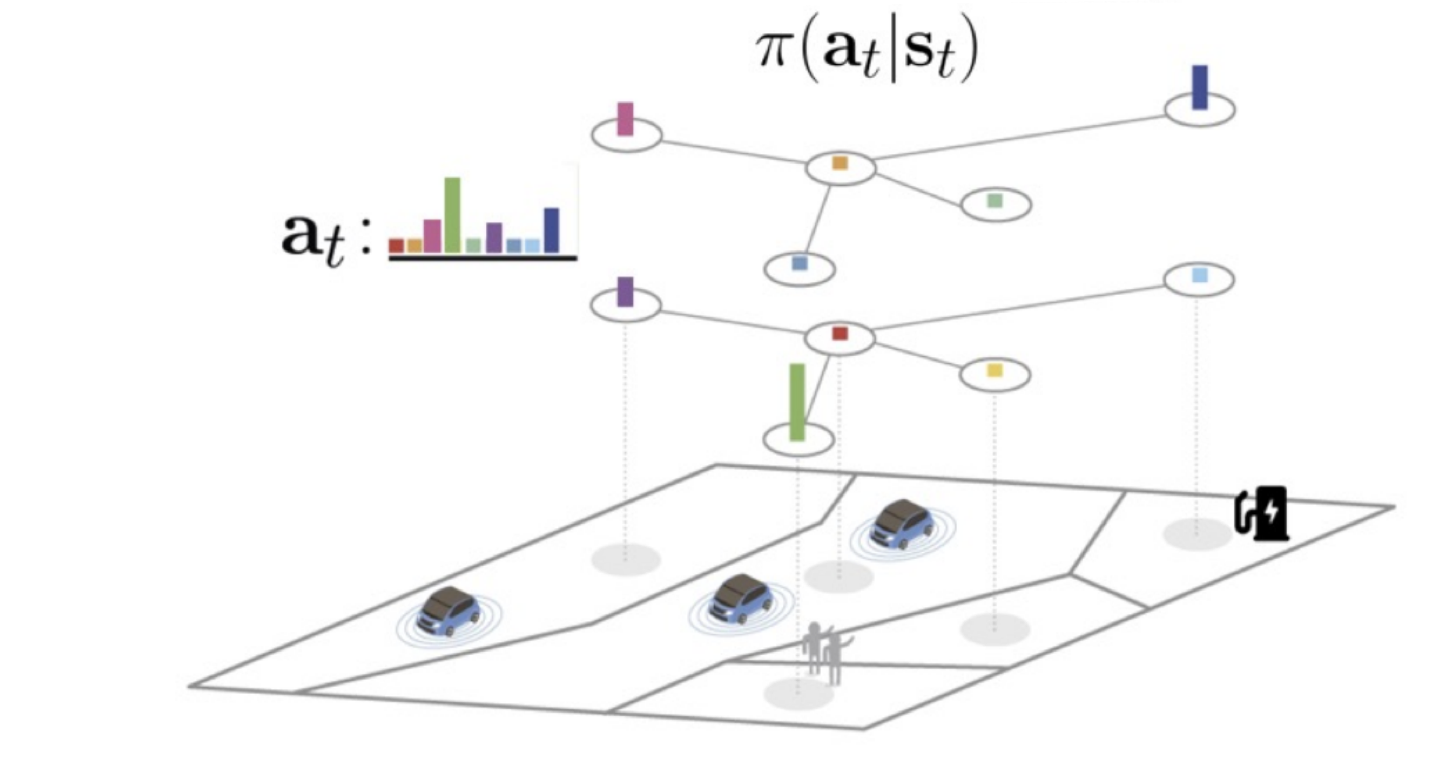
From resilient power grids and intelligent transportation networks to cyber-physical workforces that augment
human capabilities and coordinated fleets of aerial, terrestrial, and orbital robots, autonomy is rapidly
moving from research prototypes to indispensable real-world operations.
While the exact embodiments, safeguards, and degrees of agency will evolve, one fact is certain:
persistent, trustworthy, and general-purpose autonomy will be essential.
Recent advances in Artificial Intelligence (AI) have greatly accelerated this transformation, with machine
learning (ML)-powered autonomy stacks now performing tasks previously considered beyond the capabilities of
traditional, non-learning-based systems.
Most notably, the emergence of internet-scale, broadly capable Foundation Models (FMs) offers an opportunity
to fundamentally rethink how autonomous systems are designed, deployed, and operated.
Trained on vast and diverse datasets, these models capture broad priors about the world and have achieved
breakthroughs in vision, language, and multi-modal reasoning.
However, delivering reliable, general-purpose autonomy presents unique challenges for AI systems.
Autonomous systems must guarantee safety and reliability in real-world
environments, often under conditions that cannot be anticipated at design time.
They must also operate within the constraints of on-board compute and learn from only
scarce embodiment-specific data.
These stringent requirements stand in sharp contrast to the properties of current AI systems,
which—despite their remarkable capabilities—depend on vast amounts of training data
and large-scale compute, and remain vulnerable to hallucinations and brittle
generalization.
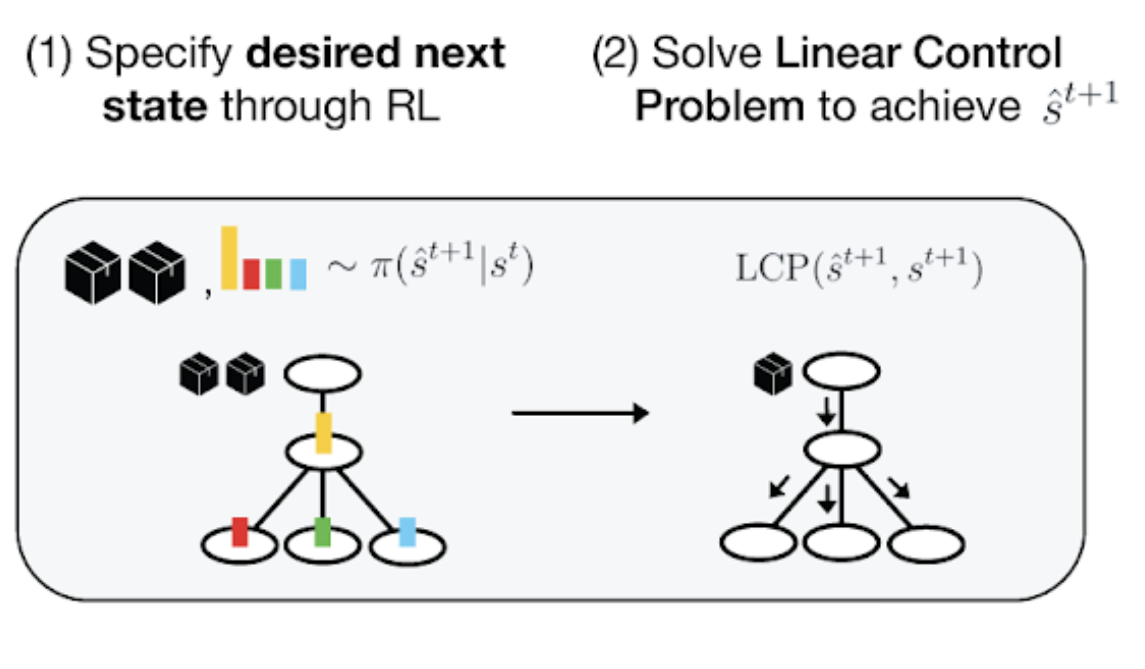
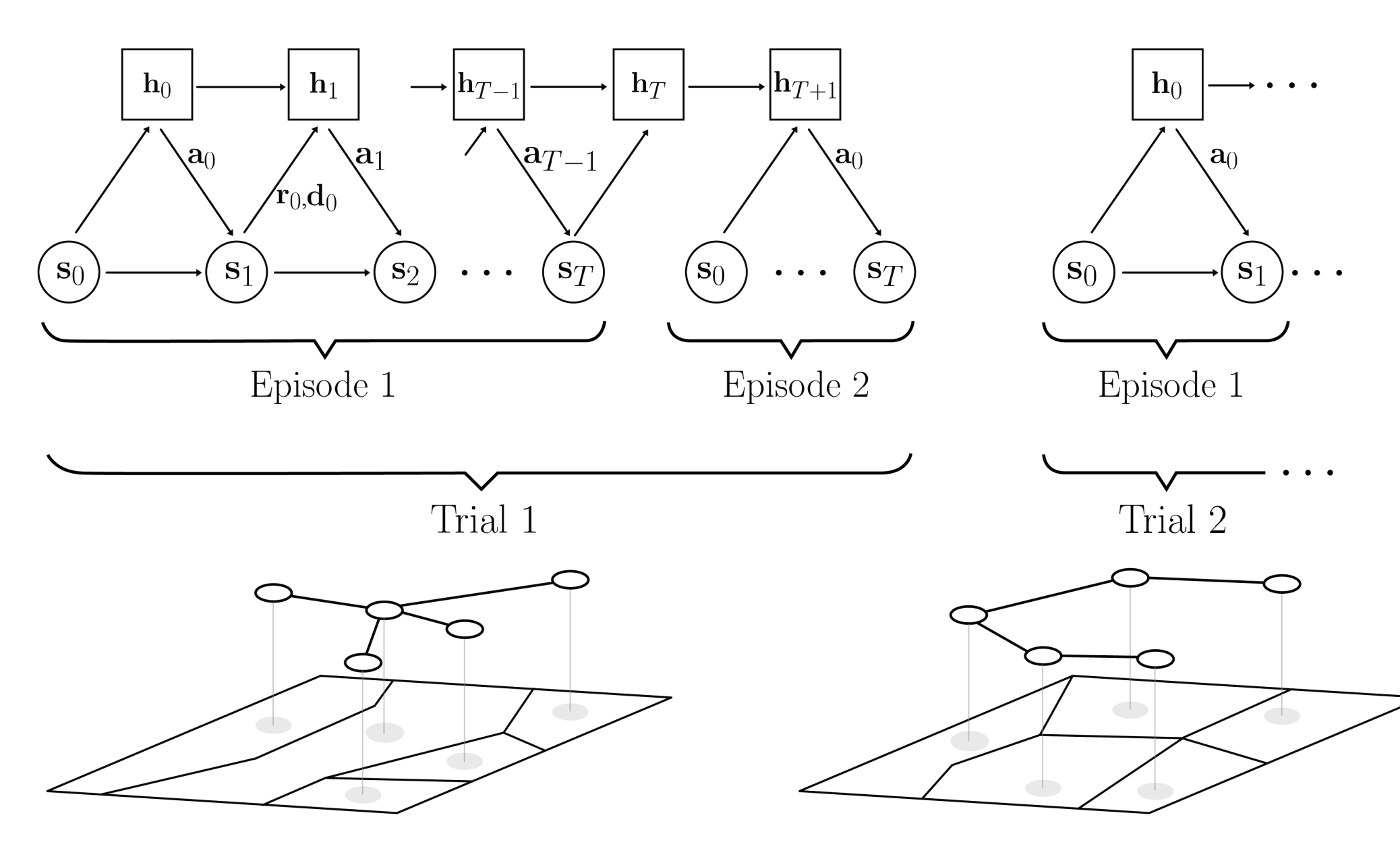
To that end, I address these challenges by employing and advancing techniques from AI/ML, control theory, and
mathematical optimization.
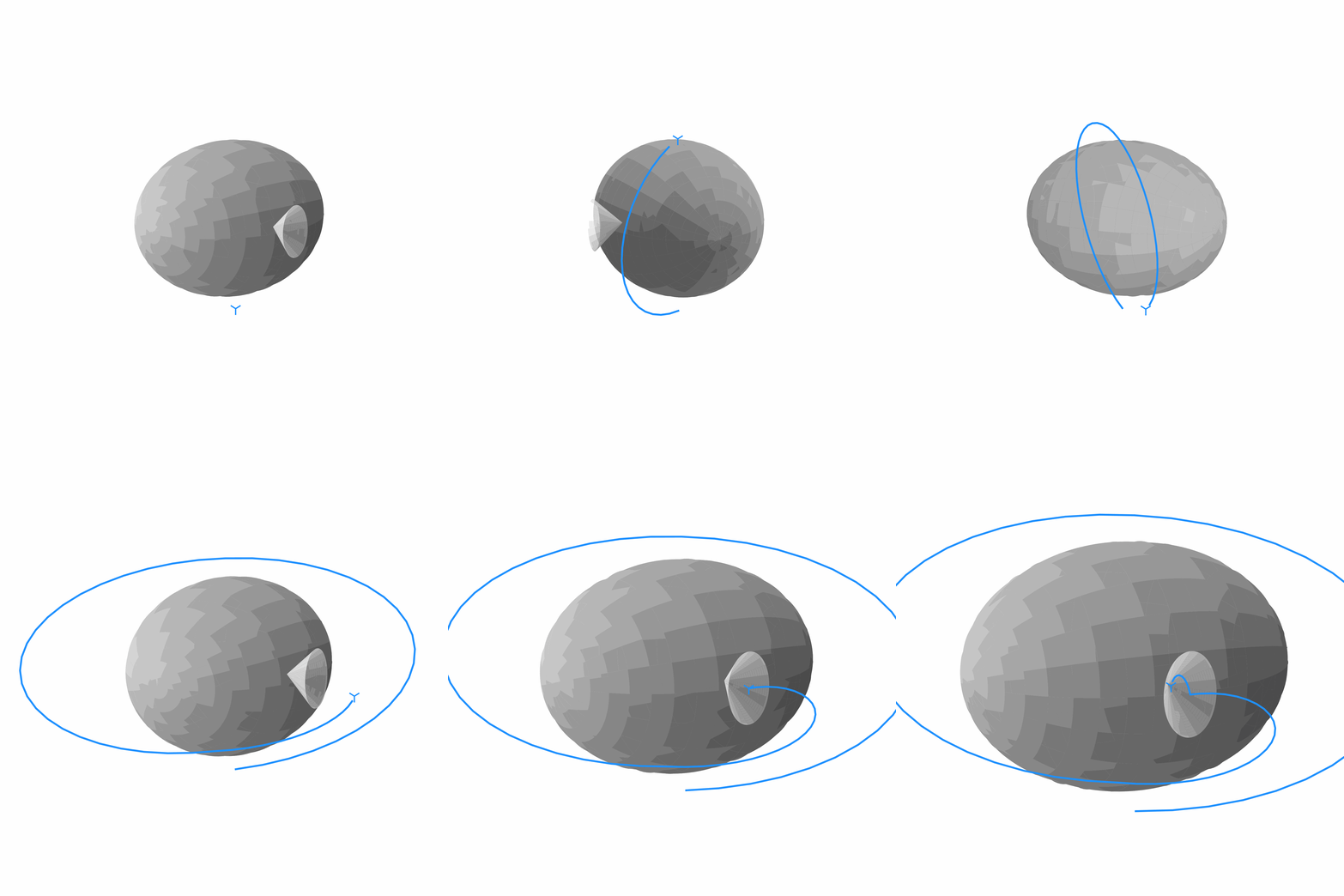
I apply the results to aerospace robotics, future mobility systems, and autonomy at large.
For an updated list of my publications, visit my
Google Scholar page.